

Car radiator caps may seem small, but they play a critical role in regulating your vehicle’s cooling system pressure and preventing engine overheating. Many car owners wonder: why do radiator caps become such a common wear-and-tear part? In this guide, we break down the key reasons for radiator cap failure, share essential replacement tips, and introduce our upgraded solution to avoid common headaches.
Main Reasons Why Radiator Caps Fail Easily
Radiator cap failure is usually caused by a combination of internal wear and external factors—here are the two most common culprits:
1. Internal Wear: Natural Aging of Components
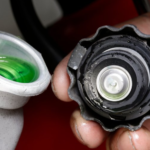
As your car accumulates mileage and years, the internal parts of the radiator cap degrade over time. The cap’s rubber seals and gaskets are constantly exposed to high temperatures and pressure cycles in the engine bay, leading to brittleness, cracks, or hardening. Additionally, the spring inside the cap (which maintains proper pressure) fatigues with repeated compression and release, losing its calibrated tension and failing to hold pressure effectively.
2. External Factors: Neglect and Contamination
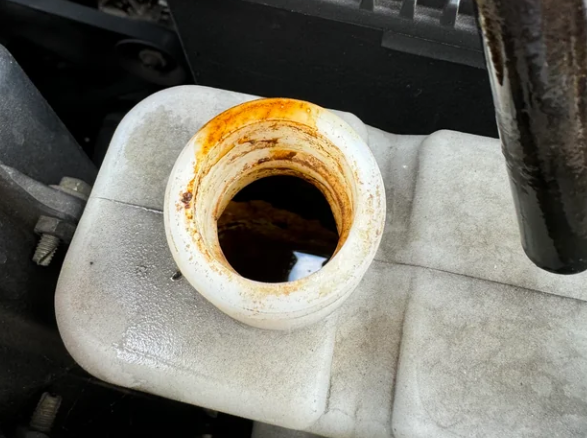
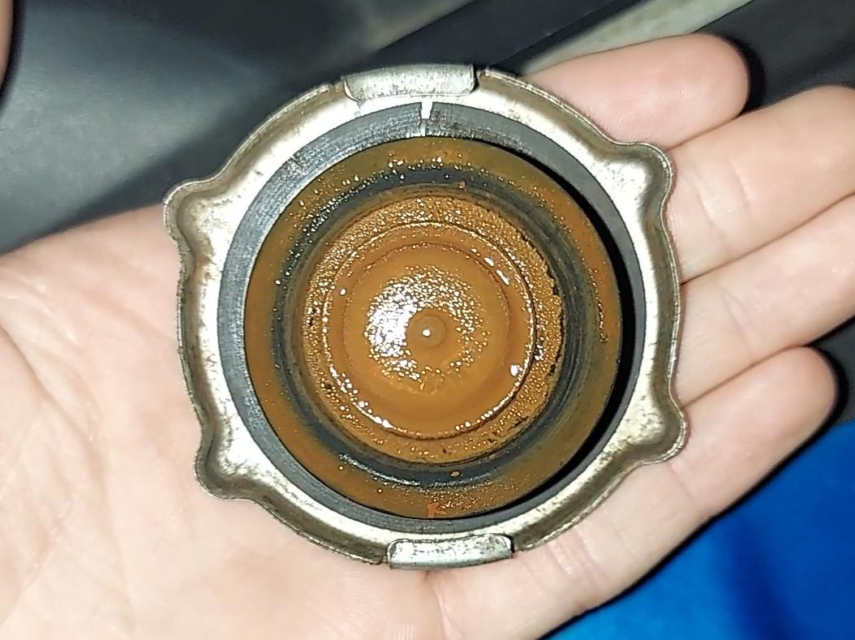
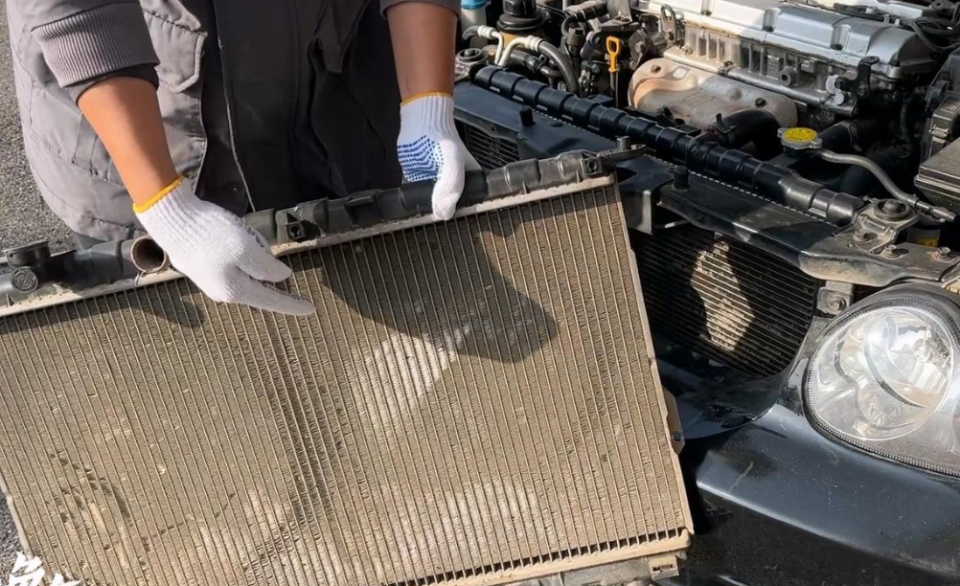
The biggest external cause of radiator cap failure is failing to replace coolant on schedule. Old, dirty coolant not only reduces your engine’s cooling efficiency but also forms scale and debris that clogs cooling pipes—and corrodes the radiator cap’s seals and valve mechanisms. This corrosion weakens the cap’s ability to seal tightly, leading to pressure leaks and eventual failure. Using low-quality or mismatched coolant can accelerate this process even further.
3 Critical Tips for Safe Radiator Cap Replacement
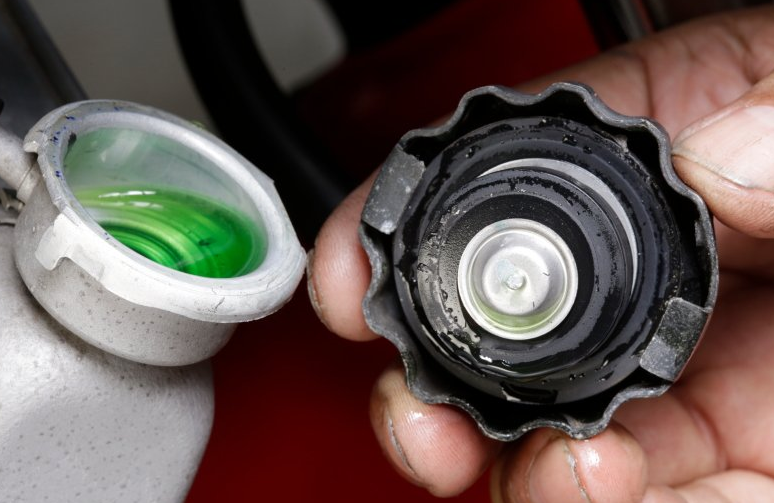
Replacing a faulty radiator cap is simple, but following these safety and compatibility tips is crucial to avoid injury and further damage:
- Never replace when the engine is hot: Pressurized hot coolant can spray out and cause severe burns. Always wait for the engine to cool completely (at least 30-60 minutes) before removing the cap.
- Choose the right fit: If you’re unsure about the correct model, provide your car’s VIN and specific model details—we’ll help you find the perfect match that meets OEM pressure specifications (typically 13-16 psi for most vehicles).
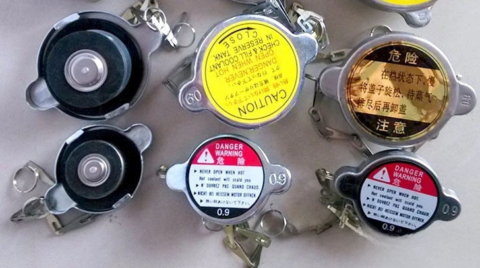
- Opt for upgraded design: Our radiator caps are improved from OEM parts with an added anti-lost chain, preventing the cap from getting lost during maintenance or driving—a small but practical detail to solve common frustrations.
Why Choose Our Radiator Caps?
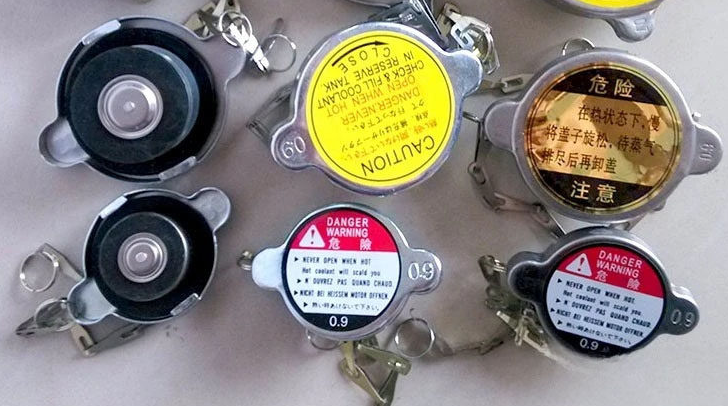
We focus on solving the root causes of radiator cap failure. Our caps feature durable rubber seals (resistant to high temperatures and corrosion) and strong springs to maintain stable pressure, extending the cap’s lifespan. The added anti-lost chain is a humanized design that addresses a common pain point for car owners and mechanics alike.
A faulty radiator cap can lead to costly engine damage from overheating—don’t overlook this small but vital part. If you’re experiencing coolant leaks, engine overheating, or inconsistent temperature gauge readings, it’s likely time to replace your radiator cap.
Contact us with your VIN or car model, and we’ll help you find the right replacement quickly. Keep your cooling system running smoothly with our reliable, upgraded radiator caps.